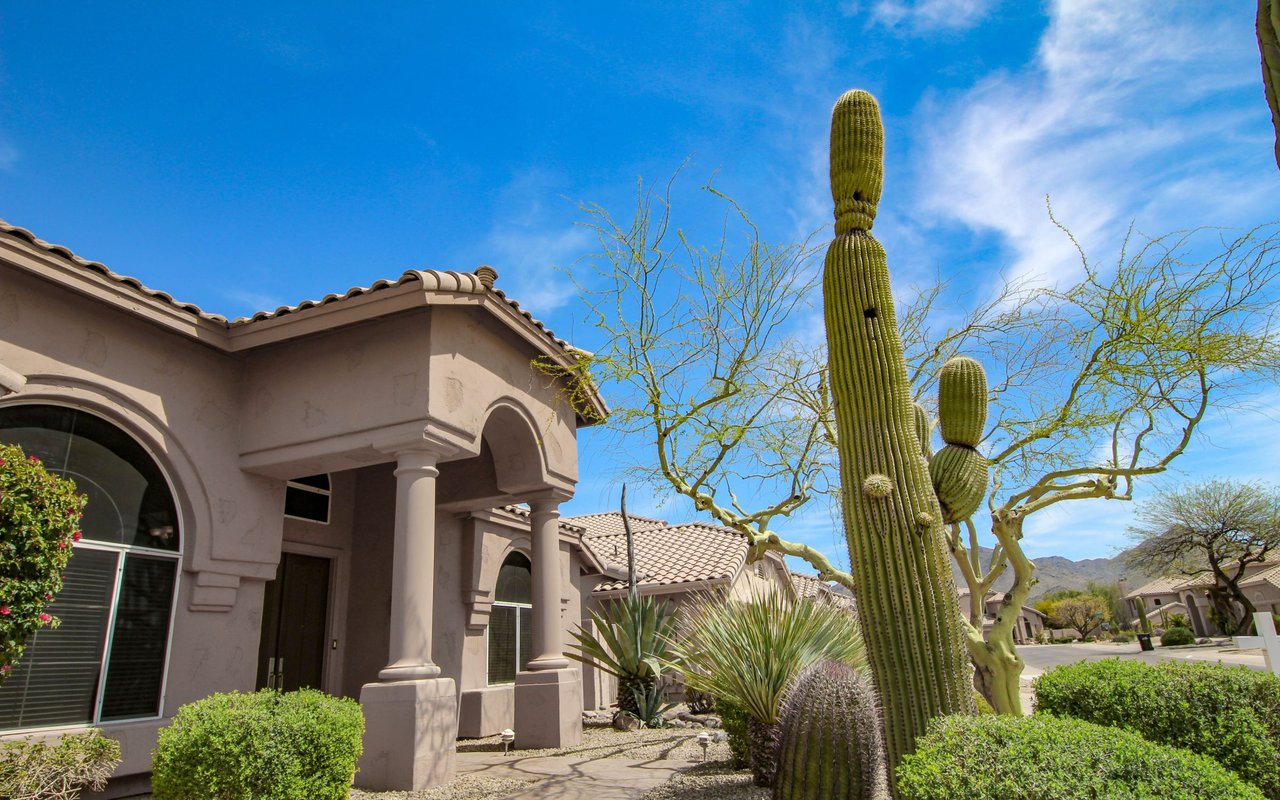
You want the mountain views and cool Rim Country air, but your lot slopes and the driveway design feels tricky. You’re right to pause. In Payson, grade, drainage, and garage placement shape how your home looks in photos and how it lives day to day. In this guide, you’ll learn practical options for driveways and garages on sloped lots, what grades work best, how to handle retaining walls and drainage, and which permits and pros to involve. Let’s dive in.
Practical Sloped Lot Driveway Design for Payson Homes
Payson sits around 4,500 to 5,500 feet in elevation. Many parcels lie on natural slopes, benches, and canyon sides. That means you plan for drainage, frost cycles, and occasional snow or ice that can affect traction.
Vegetation is often ponderosa pine and mixed forest. Wildfire defensible-space and emergency access need to be part of your early planning. Steep driveways can also impact how fire apparatus reaches a home, and how your property sheds runoff to nearby natural areas.
A driveway can dominate first impressions. Garage placement changes sightlines, shadows, and how the front elevation photographs. A thoughtful design supports curb appeal and daily livability.
Garage and driveway layout options
The right layout balances slope, appearance, and ease of use. Here are the common choices for hillside parcels.
Uphill (drive-up) garage
This layout rises from the street to a higher garage.
- Pros: Simple on many hillside lots. Shorter driveway if the street is lower than the house. Conventional curb appeal with the garage facing the street.
- Cons: Short, steep approaches can cause scraping. Runoff may head toward the house or garage. Retaining at driveway edges is common.
Downhill (walkout) garage
Here, the driveway descends from the street to a garage tucked into the slope.
- Pros: Works well with walkout or tuck-under designs. Can preserve a flatter front yard and a clean front elevation.
- Cons: Drainage must be controlled to keep water out of the garage. Ice can collect at low points in winter.
Tuck-under garage
The garage sits beneath living spaces with a short, often steeper, ramp.
- Pros: Efficient footprint that preserves usable yard. Reduces the visual impact of garage doors on the front.
- Cons: Requires excavation and structural support. The garage floor may be below the main slab and needs careful drainage.
Side-entry garage
The door faces the side of the house rather than the street.
- Pros: Improves curb appeal and front photos. The driveway can track along contours for a gentler approach.
- Cons: Needs more lot width. The longer driveway may require retaining or terraces.
Detached garage or lower pad
Place the garage on a lower portion of the lot with a longer driveway.
- Pros: Keeps the main house where you want it and can create an auto court.
- Cons: More earthwork, cost, and retaining. Longer paved runs to maintain.
Switchbacks or serpentine runs
Use moderate-grade stretches with turns to manage elevation.
- Pros: Cuts the effective slope per run. Can fit steep terrain and add visual interest.
- Cons: Adds paving, walls, and turning complexity. Snow removal and turning space need attention.
How steep is too steep?
Comfort and access hinge on slope. A preferred sustained driveway slope for everyday cars is roughly 5 to 12 percent. Above 12 percent, most people feel the steepness for walking and parking. Short approaches can reach about 15 to 20 percent if designed with careful surfacing and drainage, but those are less comfortable.
For emergency access, many fire authorities limit grades used by apparatus to about 10 percent. This varies, so contact the local fire authority early to confirm requirements and any needed turnarounds or staging.
At the garage, avoid abrupt breakovers that scrape bumpers. A short transition zone at the garage throat helps. A garage slab often slopes 1 to 2 percent toward a proper drain to avoid puddles.
As slopes pass about 8 to 10 percent, surface texture and material choice matter. Plan traction and a winter maintenance routine even in Payson’s milder winters. Also confirm sight distance at the street so cars can enter and exit safely.
Retaining walls and terraces that last
Retaining is common on sloped lots. It shapes a practical driveway profile, supports cut slopes, and creates level pads.
Many jurisdictions require engineered design and structural permits for walls above a certain height, often around 3 to 4 feet, or any wall supporting surcharges such as a driveway. Verify exact thresholds with Gila County Development Services or the Town of Payson.
Water is the enemy of walls. Provide subdrains, free-draining backfill, and geotextiles to keep pressure off the wall. Terraced walls are often more economical and attractive than a single tall wall and can reduce engineering demands on one structure.
For significant cut or fill, or unknown soils, a geotechnical report is wise. It informs safe slope angles, foundation depth, and drainage measures. Stabilize exposed slopes with appropriate planting, hydroseed, or rock mulch to control erosion.
Surfacing and drainage choices
Your surface and drainage plan must work together.
- Concrete: Durable and well-suited to steeper grades. Add texture for traction and detail joints for freeze-thaw.
- Asphalt: Lower upfront cost. It may rut on steep runs and needs periodic maintenance.
- Pavers: Good traction and appearance. Needs proper base and drainage.
- Aggregate: Lowest cost but migrates on steeper slopes and needs more upkeep. Stabilizers may help.
- Permeable systems: Can reduce runoff, but bases must be designed to avoid migration on slopes.
Drainage should keep water out of your garage and away from foundations. Use crowns or side drains, scuppers, and grated inlets at low points where needed. Add French drains behind retaining and at the toes of slopes. Plan for plow access and safe turning areas if snow removal is likely. Larger earthwork may require sediment control in line with state stormwater guidance.
What is an auto zone?
An auto zone or auto court is a level pad carved into a slope for staging, turning, or parking. It can reduce the length of steeper driveway segments and gives you a flat area for loading and unloading. It also improves how the front entry photographs.
Some subdivisions or HOA documents designate auto zones or set limits on grading. Others require a variance or do not allow extra pads. Implementation usually includes a plan for earthwork, retaining, drainage, and planting. Always confirm allowances with the plat and CC&Rs, and obtain approvals from the HOA, county, and fire authority as required.
When sizing an auto zone, consider turnaround space for your typical vehicles and the visual impact of flat paving on a hillside. Terraces, planting, and material choices can help a pad blend into the landscape.
Permits, pros, and a smart sequence
Early coordination saves money and avoids rework. Here is a practical sequence:
- Confirm property limits, easements, and CC&Rs through the plat and title review.
- Order a topographic survey with contours, rock outcrops, trees, and utilities.
- Engage a civil or site engineer to align the driveway and design grading and drainage.
- Consult a geotechnical engineer for significant cut or fill or if soils are unknown.
- Contact the local fire authority to confirm maximum grade and any required turnouts or turnarounds.
- Check with Gila County Development Services or the Town of Payson on retaining-wall permit triggers and grading thresholds.
- Submit plans for grading, building, retaining wall, driveway or curb-cut, and any required stormwater control.
Typical consultants include a land surveyor, civil or site engineer, geotechnical engineer, structural engineer for higher walls, landscape architect, and a licensed steep-site contractor.
Common permit triggers include walls above the local threshold or supporting surcharge, grading volumes above county limits, a new curb-cut to a public street, and sediment or erosion controls for larger earthwork.
A photo-friendly, livable site plan
Use this checklist to keep both function and curb appeal front and center:
- Start with a topo survey and take approach photos from multiple distances and angles.
- Favor garage orientations that improve the front elevation. Side-entry or tuck-under often photographs cleaner.
- Break long slopes into moderate runs with transitions or switchbacks. Add level pads where possible.
- Design drainage first. Keep water moving away from structures and out of garage openings.
- Use terraced retaining and plantings to soften walls and blend the drive into the hillside.
- Coordinate fire-access grade and turning needs early and show them on the plan.
- Choose surfaces and slopes you can maintain, including plans for ice, debris, and plowing.
- Check sight lines for the curb-cut to support safe entry and exit.
For buyers: evaluating a sloped driveway
Walk the approach and picture daily life in every season. Anything above roughly 12 percent will feel steep for many drivers and may narrow your future buyer pool. Look for controlled drainage at low points, textured surfaces on steeper runs, and a level area near the entry for easy loading and safer winter parking.
Ask for any surveys, grading plans, retaining-wall drawings, or permits. Confirm whether the HOA allows additional grading or auto zones if you plan to make changes. Early conversations with local fire and county staff can clarify what is feasible.
For sellers: prep before you list
Gather all documents related to the driveway, retaining, and drainage. Highlight upgrades like textured concrete, added inlets, or a side-entry garage that improves curb appeal. If the driveway feels steep, consider small enhancements such as a defined level pad, clear snow and debris plans, or fresh striping and reflectors.
Professional photos benefit from low-angle shots that minimize the visual dominance of a steep approach. Clean edges, planted terraces, and clear sightlines make a strong first impression.
If you’re weighing options or planning a driveway redesign before selling, our team can help you map next steps so your property shows its best and lives comfortably. Start the conversation with Unknown Company. Start with a free home valuation.
FAQs
What driveway slope works best for Payson hillside homes?
- Most homeowners prefer sustained slopes around 5 to 12 percent for comfort. Short runs can be steeper if designed carefully, but verify emergency access limits with the local fire authority.
Who decides maximum driveway grade for fire access in Payson?
- The local fire authority or fire marshal enforces fire-apparatus access standards, including grade and turnarounds. Planning and building departments may require proof of compliance.
Do retaining walls on a sloped driveway need engineering in Gila County?
- Many walls above about 3 to 4 feet or any wall supporting a driveway require engineered design and permits. Confirm exact thresholds with Gila County Development Services or the Town of Payson.
What is an auto zone and can my HOA restrict it?
- An auto zone is a level pad for parking and turning on a slope. HOAs or plats may allow, limit, or prohibit extra grading. Always check CC&Rs and obtain written approvals before construction.
Which driveway surface is best for steeper Payson lots?
- Textured concrete and interlocking pavers provide strong traction on higher slopes. Asphalt can work but may rut on steeper runs. Aggregate needs more maintenance and can migrate.
How do I keep water out of a downhill garage in Payson?
- Use surface grading, inlets at low points, and subdrains near walls. A slight garage slab slope toward a proper drain helps prevent ponding.
Will a very steep driveway hurt resale?
- Slopes above about 12 percent feel steep to many buyers and above about 15 percent can raise functional concerns. Steeper driveways can narrow the buyer pool and increase maintenance questions.